- Servicing the Triangle Area: Raleigh, Durham, Chapel Hill, Wake Forest, Cary, and Hillsborough NC

Diarrhea
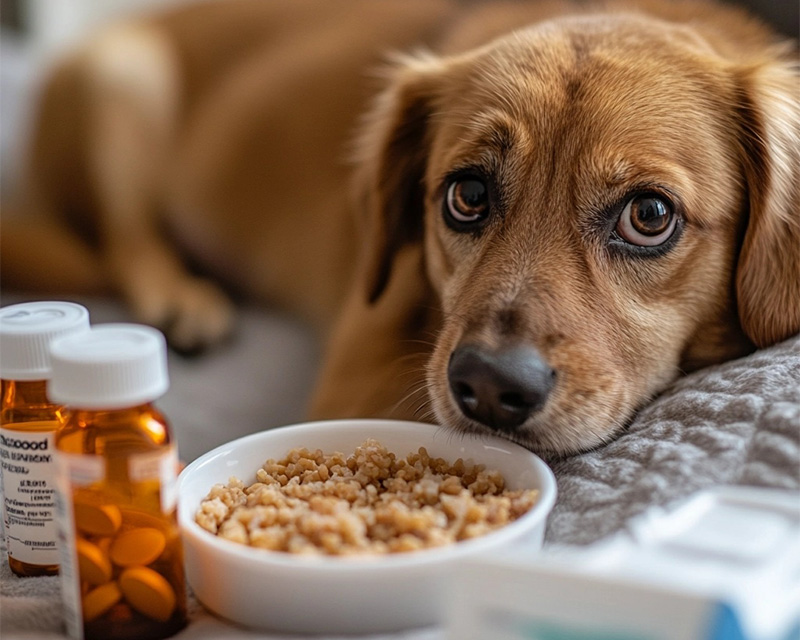
There are many causes for diarrhea in cats and dogs. Most cases occur secondary to dietary indiscretion, stress, or parasites. There are, of course, more serious medical conditions that can also cause diarrhea. Blood work, fecal egg count, and radiographs are always recommended to more fully evaluate.
When discussing your pet's diarrhea with your veterinarian, it is important to provide as much detail as possible. Did the neighbor kid come over and possibly share food with your pet that s/he wouldn't normally receive? Is anything missing around the house? Kid toys, sewing supplies, uncovered trash bins, new plants, etc. can all be tempting to curious pets. Have you changed anything in your pet's diet/treat routine?
The vet can recommend steps appropriate for your pet once a thorough history is taken and your pet examined. As mentioned above, blood work, fecal egg count, and radiographs are always recommended to more fully evaluate and your veterinarian can help you prioritize these steps if needed.
Treatment Options and Management
Some options that are often discussed with pets that have diarrhea include:
- Dietary Adjustments: A veterinarian can recommend a bland diet or adjusting your pet's current diet to help your pet feel better while they are coping with diarrhea.
- Medications: Medications can be given in some cases to help control the diarrhea, but it is very important to first eliminate certain potential causes as some things need to move out of the system naturally.
- Probiotics: These can often be given to help restore the normal gut flora of the gastrointestinal tract.
- Dewormers: These address intestinal parasites and can sometimes be soothing to the GI tract as well.
Please reach out to your veterinarian as soon as possible if your pet is having diarrhea. It is important to discuss potential causes and symptoms to watch for even if it is not an emergency. Once speaking with your vet and following their guidance, if your pet is not significantly improved within 24 - 36 hours, or they develop additional clinical signs such as vomiting, lethargy, or loss of appetite, we recommend evaluation at a hospital where imaging (x-rays) can be performed and where hospitalization is an option.
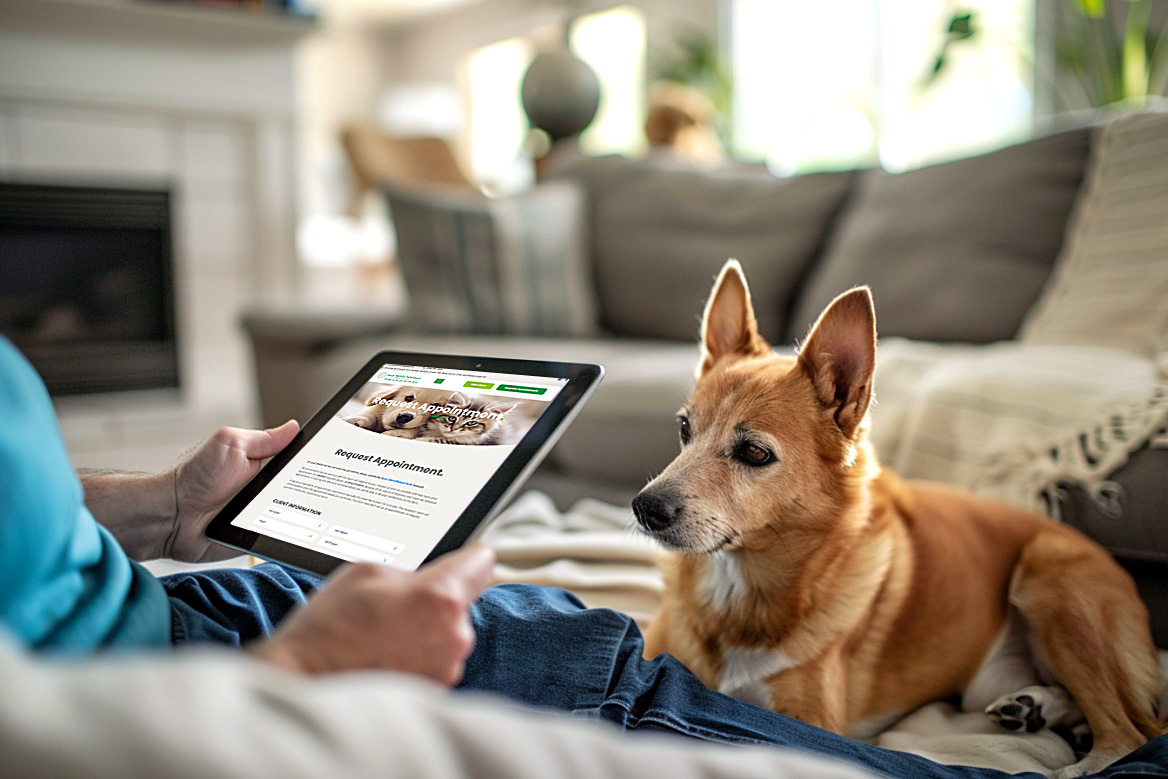 How do I get my pet scheduled?
If your pet is an existing patient of Local Mobile Vet, simply fill out the appointment request form, and we will reach out to get an appointment scheduled.
If we have never seen your pet before, fill out the New Client Form and we will reach out to help you determine if we are the right fit for you and your pet.